A Leap Too Far
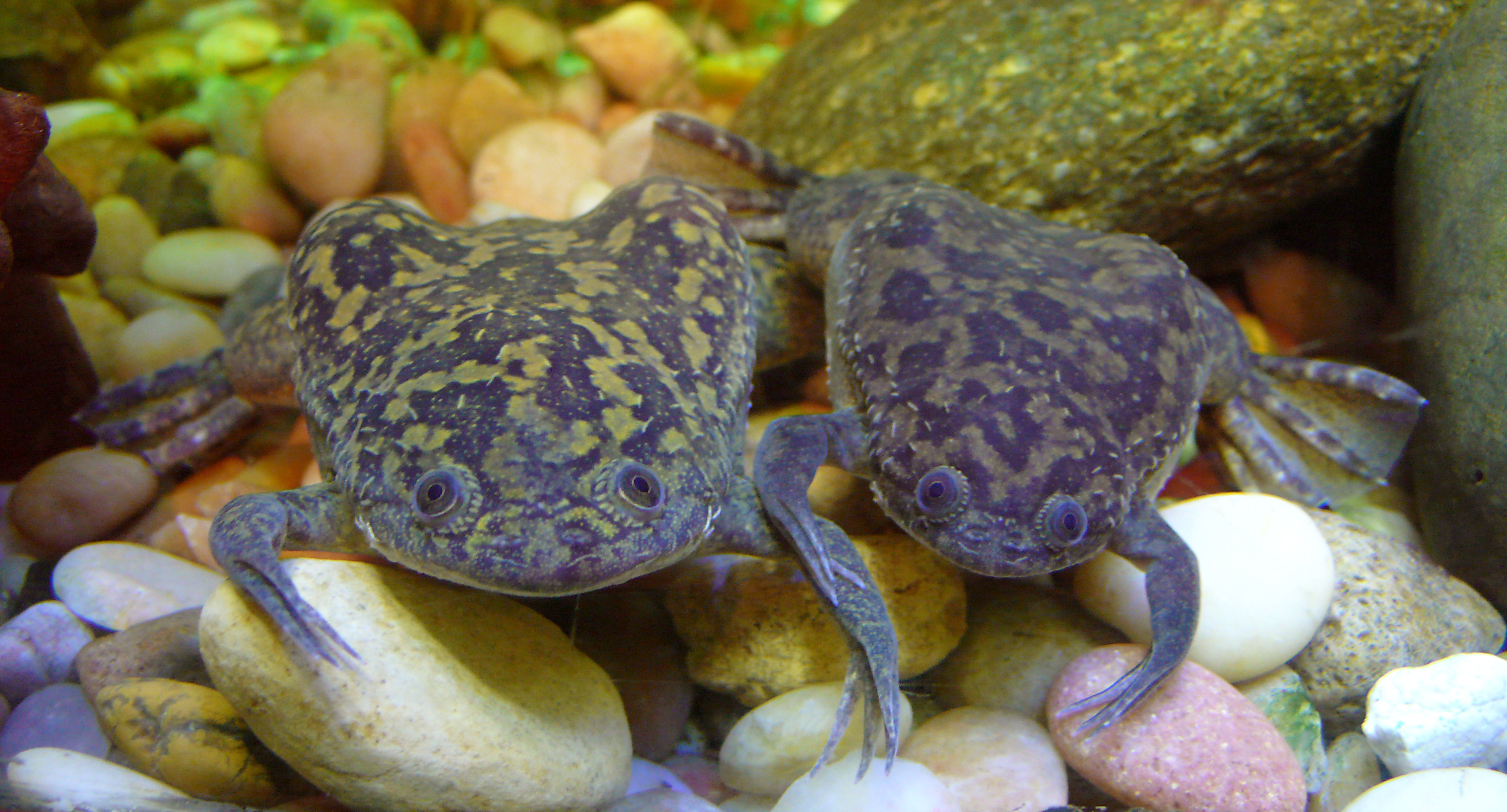
For decades, the African clawed frog (Xenopus laevis) played a surprising and essential role in human medicine. Native to the still waters of southern Africa, these smooth-skinned, flat-bodied amphibians became one of the most widely used laboratory animals of the 20th century. By the 1930s, they were a common sight in research facilities around the world. You might assume scientists were drawn to some unusual biological trait, but their importance came from something entirely unexpected: their ability to detect pregnancy in humans.
In 1930, British scientist Lancelot Hogben discovered that female African clawed frogs would lay eggs when exposed to human chorionic gonadotropin (hCG), the hormone produced early in pregnancy. This simple reaction became one of the first rapid, reliable pregnancy tests. It was considered a major scientific breakthrough. As demand for pregnancy testing grew, so did the global trade in African clawed frogs.
Thousands of frogs were shipped each year to laboratories and clinics across Europe, North America, Asia, and Australia. The frogs were very adaptable—easy to care for in captivity and able to survive if accidentally released. For decades, they became a familiar symbol of early reproductive science. But beneath this success story, serious ecological consequences were beginning to unfold.
African clawed frogs are natural carriers of Batrachochytrium dendrobatidis—the chytrid fungus responsible for chytridiomycosis, a disease now known to be devastating for amphibians. While Xenopus can carry the fungus without becoming sick, amphibian species in other parts of the world lack this immunity. As the frogs traveled across continents, they unknowingly transported the pathogen with them. Escaped lab animals, intentional releases, and contaminated water all helped introduce the fungus into new ecosystems.
By the late 20th century, amphibians worldwide began experiencing mysterious, rapid declines. Entire populations vanished from mountain streams and rainforest floors. Scientists eventually pinpointed chytridiomycosis as the cause—an infection that disrupts the way amphibian skin functions, often leading to cardiac arrest. Today, the chytrid fungus is linked to declines in more than 500 species and to the extinction or near-extinction of dozens, making it one of the worst disease-driven biodiversity crises in recorded history.
African clawed frogs weren’t the sole cause of this outbreak; global amphibian trade, climate change, and habitat loss all exacerbated the problem even more. But their use in early pregnancy testing undeniably helped launch the worldwide spread of the fungus. Ironically, a species that contributed significantly to human health also helped trigger a global wildlife health disaster.
Modern pregnancy tests no longer rely on animals, and any remaining Xenopus colonies in laboratories are kept under strict biosecurity measures. Still, their legacy lingers—in invasive populations on several continents and in the ongoing effort to protect the world’s amphibians from chytridiomycosis.
Although the story of the African clawed frog highlights a remarkable chapter in scientific progress, it also underscores how even well-intentioned research can lead to unforeseen ecological consequences. Scientific innovation must be paired with careful oversight, strict containment, ethics, and an understanding of how organisms move through—and interact with—the world beyond the lab. As science continues to push boundaries, safeguarding ecosystems must remain a priority, ensuring that the pursuit of knowledge does not unintentionally place wild species at risk.
African Clawed Frogs.
Wiki commons public domain: https://upload.wikimedia.org/wikipedia/commons/d/d6/Xenopus_laevis_pair.JPG