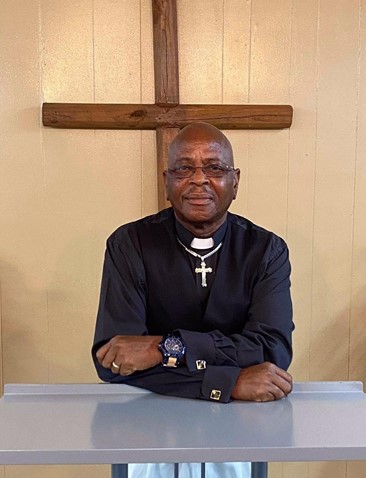
Proverbs 10: 9..
Transparency is a powerful tool that builds trust, accountability, and collaboration, but it can cause chaos, anxiety, and disengagement when practiced without limits.
Transparency can be either good or bad depending on such as personal relationships, business operations, or physical health.
When Transparency is Bad
Being transparent is generally a good thing, in moderation matters. Total, unfiltered transparency can sometimes cause harm depending on the situation.
While the Bible strongly encourages honesty, confession, and walking in the light (such as in Ephesians 4:25 and James 5:16), unfiltered or unguided transparency can become harmful when it crosses into over sharing, a lack of discretion, pride, discord or gossip. The Bible warns against misuse of openness.
When Transparency Crosses the Line in Scripture
Over sharing and Indiscretion: Proverbs 11:13 states that “a whisperer betrays a secret, but who is trustworthy keeps a thing hidden.” Sharing intimate, private details or struggles indiscriminately—without wisdom or a safe, accountable can damage relationships and cause chaos (Ephesians 4:29 warns against unwholesome talk).
Confessing Sin without Repentance or Gospel Focus: Simply airing out sins, failures, or graphic temptations just to “be real” or commiserate without aiming for holiness or pointing toward Christ misses the point of biblical confession. James 5:16 pair’s confession of sin with healing and prayer, not endless dwelling in brokenness.
Insensitivity and Blunt Cruelty (Using “Honesty” as a Weapon): Proverbs 12:18 says that “there is one who speaks rashly like the thrusts of a sword, but the tongue of the wise brings healing.” Claiming “transparency” to blurt out critical, unfiltered thoughts about others’ flaws, appearance, or character is often masked pride or slander rather than godly sincerity (Colossians 3:9).
Casting Pearls Before Swine: Jesus teaches in Matthew 7:6 to be wise about where and with whom you share sacred or vulnerable truths, as exposing deep spiritual wounds to hostile or mocking environments brings needless harm.
Confidentiality and Timing: In 2 Corinthians 1:12–24, the Apostle Paul practiced strategic discretion—withholding certain immediate details or delaying a visit to the Corinthians—not out of deceit, but to protect them from unnecessary pain and premature rebukes.
What are the negative effects of transparency?
While transparency is generally praised as a positive value, too much or poorly managed openness can trigger significant downsides across organizations, work cultures, and decision-making.
Flooding people with raw data or too many internal problems creates chaos instead of clarity.
Complete exposure of personal or inner thoughts breaks down individual and self-construction.
When Transparency is Good
Sharing information openly shows people there is nothing to hide, which lowers anxiety and clears up confusion.
Accountability for financial performance, and decisions visible helps prevent corruption and misuse of power.
Open communication removes barriers so teams can freely share ideas, test alternate methods, and collaborate.
Transparency in the Bible is good and pleasing to God when it means living with honesty, humility, and openness rather than hiding behind deceit or hypocrisy.
Walking in the Light: In 1 John 1:7, walking in the light as God is in the light bring true fellowship with other believers and cleanse sin, contrasting the darkness of hidden sins.
Confessing Sin and Struggles: James 5:16 encourage believers to confess their sins to one another and pray for each other so that they may be healed. Proverbs 28:13 states that those who conceal their transgressions do not prosper, but confessing and forsaking them brings mercy.
Speaking Truth in Love: Ephesians 4:25 commands putting off falsehood and speaking truthfully to one another because all believers are connected as members of the same body.
Admitting Human Weakness: 2 Corinthians 12:9-10 shows that being transparent about weaknesses allows Christ’s power to rest and be perfected in a person.
Openness in Leadership and Communication: The Apostle Paul sincere communication without deceit or hidden motives (2 Corinthians 1:12, 1 Thessalonians 2:3), and Jesus noted that He spoke openly to the world and said nothing in secret (John 18:20).
Jesus modeled total openness in His ministry, teaching publicly rather than in secret. In John 18:20, Jesus states that He always spoke openly to the world and said nothing in secret.
Does God want us to be transparent?
God wants us to be transparent because openness builds intimacy with Him, brings emotional and spiritual healing, and reflects His truth.
He already knows everything: God is all-knowing, so transparency is not about informing Him of hidden facts. Instead, it is about dropping pretense, masks, and self-deception.
It traces back to restoring trust: In (Genesis 3), the first reaction to shame and fear was hiding from God. Transparency removes those barriers and invites God into your real struggles.
Scriptural backing for confession and truth: James 5:16 encourage confessing sins and sharing struggles for healing and prayer support. Similarly, 1 John 1:7 talks about “walking in the light,” which means living honestly rather than in secret darkness.
Strength in weakness: 2 Corinthians 12:9-10 teaches that God’s power works best in human weakness, meaning you do not have to pretend to have it all together.
What Biblical Transparency Looks Like
Being transparent about pass sin and still live in it the same sin is not transparent; you giving a license to keep sinning!
Honesty with God: Bringing real emotions—fear, doubt, grief, or anger—directly to God in prayer, just as the writers of the Psalms did.
Being truthful with trusted community members or a local church instead bring shame.
Integrity: Living without deceit, hidden hypocrisy, or false pride
It means dropping the fake perfection of pretense, bringing hidden sin into the light for accountability, and speaking truth in love (Ephesians 4:15) rather than over sharing every passing thought or private matter.
WHOSOEVER WILL WORSHIP MINISTRIES
www.wwwmjesus.net
Associate: Pastor Wesley Fulton
429 Bayou Rd, La Marque, Tx.77568
Need prayer Ch. Ph: 409/933-9878

