Will God hold us accountable for our time?
We don’t like to think about the judgment seat of God, but it is a reality of God’s word. God will reward our obedience but will also hold us accountable for those times we refused to obey and chose a path we knew was wrong. And we know from God’s word that all of us will be “without excuse” Romans 1:20 for our sins. Thankfully, we can also know that those who are in Christ will stand in our weaknesses as the forgiven children of God. It’s comforting to consider our forgiveness in Jesus Christ, but it’s important to remember that our forgiveness doesn’t erase our accountability. Why can God hold us accountable for every sin? Micah gives that answer by saying, “He has told you, O man, what is good.” The sins we will be accountable for are those we commit knowing that the choice was wrong. Adam and Eve sinned when they ate from the tree because God had warned them they were not to do that. King David sinned with Bathsheba because his actions broke most, if not all, of the commandments he had learned from God’s word. We will stand before God “without excuse” because he has made certain we would “know what is good.” What is the opposite of living willfully ignorant or opposed to God’s word? It is to live with justice in our treatment of others. It is to love others with the mercy and kindness of God. Finally, it is accomplished by walking humbly submitted to God as our King. God has told us who he is. God has given us his Son and his Spirit so that we could live unburdened by sin. He will hold us accountable for those moments we didn’t allow him to choose our choices and strengthen us to choose his righteous will. God’s priorities are wisdom. We will be accountable to God for the times we chose to be less than we could have been. He has shown us what is good. Let’s choose to follow our King. Yes, God will hold all people accountable for their lives, including their actions, words, and choices during their time on earth. This judgment emphasizes personal responsibility, with Romans 14:12 stating that “each one of us will give an account of himself to God,” covering both good and evil deeds. In many religious and traditions, particularly within Christianity, the belief is that God will hold every individual accountable for how they have lived their lives. This accountability is often described as a personal reckoning where one must “give an account” for their actions, words, and even their secret thoughts. All people will face a final judgment, often referred to as the “judgment seat of Christ” for believers, where they will be rewarded or held responsible for their actions in the body. People are accountable for what they know and the opportunities they have been given, according to God. Each person is responsible for their own thoughts, words, and actions. For those who have placed their faith in Jesus Christ, they are seen as forgiven children of God, yet still accountable for their works. Accountability for Time: The concept implies that how we spend our time and the choices we make, knowing what is good, will be evaluated. In some traditions like Hinduism, the concept of divine judgment is not central; instead, one is held accountable by their own karma. Scripture suggests that “each of us will give a personal account to God” Romans 14:12, regardless of status or belief. Words: Every “careless word” spoken will be evaluated Matthew 12:36. Actions: Both good and evil deeds performed “in the body” are subject to judgment 2 Corinthians 5:10. Priorities and Stewardship: Individuals are viewed as stewards of what God has given them, including their time, talents, and resources. The level of accountability is often tied to the level of knowledge or “light” a person has received—”to whom much is given, of him much will be required” Luke 12:48. For Believers (Christians): Many theologians distinguish between a “judgment for salvation” and a “judgment for rewards”. Salvation: Belief in Jesus is often seen as removing the condemnation for sin, meaning the individual is saved from eternal punishment. Rewards: Believers may still face a judgment of their works (the “Bema Seat”), which determines eternal rewards rather than their ultimate destination. The “Age of Accountability”: While not explicitly named in the Bible, many traditions hold that God mercifully exempts infants and those lacking mental capacity from this personal reckoning until they reach a stage where they can distinguish right from wrong. Redemptive Focus: Some contemporary views argue that God’s accountability is less about “punishment” and more about consequences and transformation, intended to lead people toward wholeness and truth.
WHOSOEVER WILL WORSHIP MINISTRIES
www.wwwmjesus.net
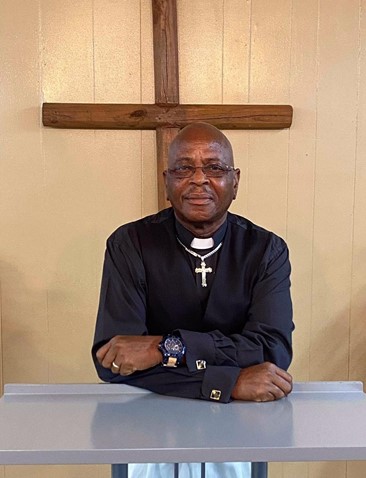
Associate: Pastor Wesley Fulton
429 Bayou Rd, La Marque, Tx.77568
Need prayer Ch. Ph: 409/933-9878

