
By Richard Tew/Contributing writer for The Post Newspaper
With NASA’s Artemis II mission on the horizon, the agency’s flight directors are going over plans to see the mission through to its completion.
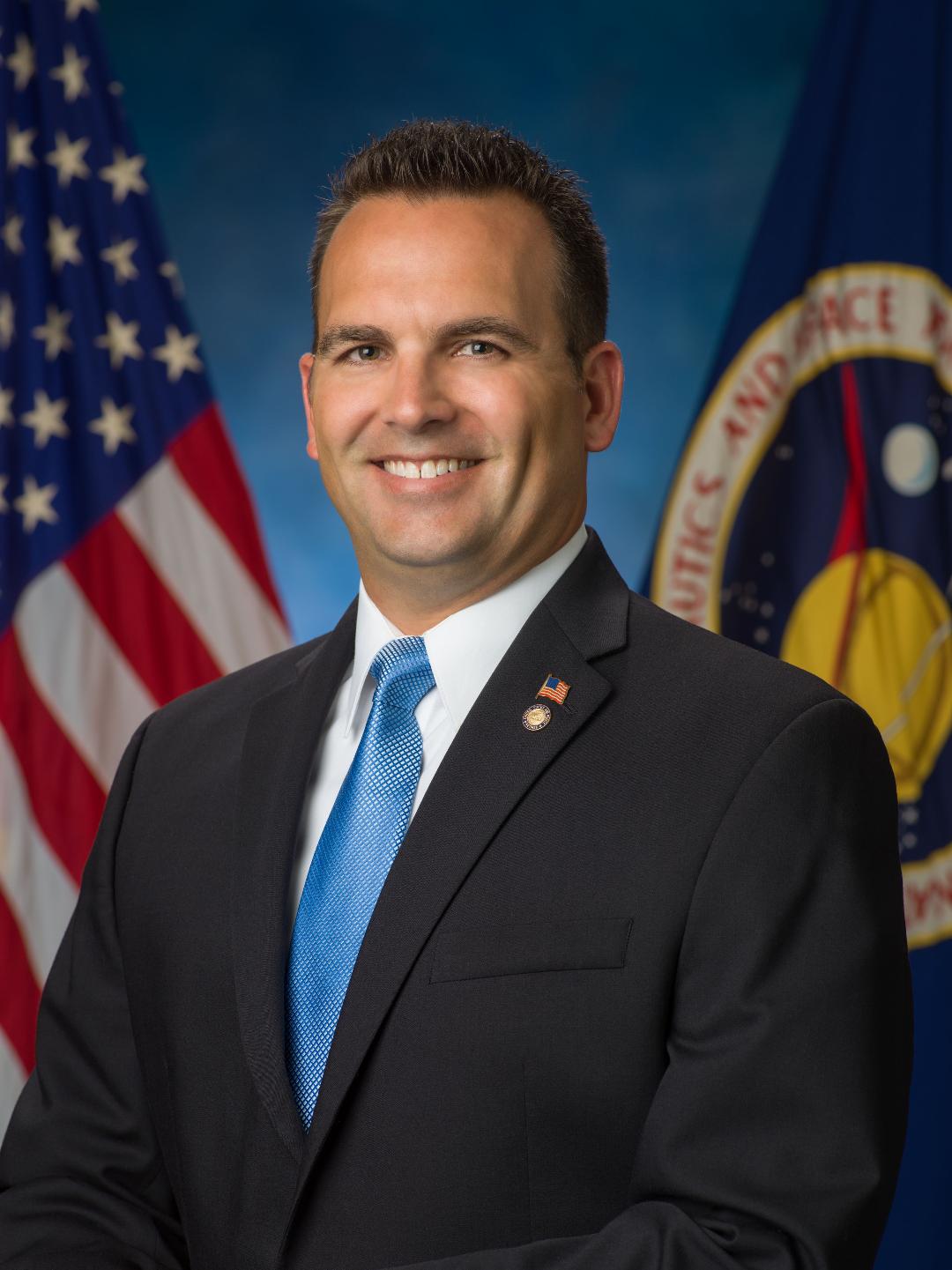
Paul Konyha was named as a NASA Flight Director in 2018 when the space agency selected five candidates to complete training to lead a team of flight controllers who’s job it is to monitor a myriad of systems and experiments onboard the International Space Station.
In addition to ISS duties, Konyha has been prepping for Artemis II, a mission aiming to leave Earth and circle our closest celestial neighbor: the Moon. Along the way, the crew-safely nestled in the Orion Space Capsule-will be collecting data for future missions, including the next in the Artemis line up: Artemis III, which NASA hopes will send humans to the surface of the Moon.
Training includes understanding the complex systems onboard Orion, learning about the astronauts themselves, the team of flight controllers who are tasked with monitoring each system in the space capsule.
Konyha says training for this mission carried over from the first Artemis mission four years ago, along with lessons learned from the Apollo missions from the 60’s and 70’s combined with what’s now been 25 years of continuous ISS missions. Despite the hard work, he is enthusiastic about the opportunity to be part of this historic launch.
From a distance, the current iteration of the SLS rocket is the “Block 1” variant which weighs just over 5.5 million pounds and can produce some 8.8 million pounds of thrust during launch.
Artemis I saw the same SLS rocket currently being prepared for launch, though topped with a different Orion Space Craft, fly around the Moon with no crew aboard.
Artemis II will have a modified version of Orion in order to accommodate four crew members for a ten-day voyage to the Moon some 250,000 miles away from Earth.
For this mission, Konyha and his team of flight controllers at The Johnson Space Center will be busy with preflight checks while also monitoring the rocket as it is being fueled for launch.
“When it’s time to start the process of launching the vehicle, my team’s the first team on console. We’re there for powering up all the systems which is done by the team at Kennedy (Space Center) but we are monitoring from our end, and then we have certain commanding that we do to the space craft at certain points in the count down to make sure that the vehicle is ready to go,” said Konyha.
The mission will also serve as a test bed for future flights of the Artemis program.
“It’s really a shakedown flight,” said Konyha.
Konyha says Orion will have life support and communications systems, along with a full complement of research equipment to gather important data for future missions to the Moon and beyond.
“We need to make sure this vehicle is ready and capable to support the crew on their journey to and from the Moon,” said Konyha.
On February 2, Artemis II begin a “wet dress” procedure which including fueling the rocket’s fuel tanks and going through a list of system checks before being given the all-clear to launch at a previously proposed date of February 6. It was during these extensive tests engineers found a Hydrogen leak from an interface on the SLS rocket, which according to NASA, will push now push back the next wet dress test to an early March time frame.
From a NASA press release:
“During tanking, engineers spent several hours troubleshooting a liquid hydrogen leak in an interface used to route the cryogenic propellant into the rocket’s core stage, putting them behind in the countdown. Attempts to resolve the issue involved stopping the flow of liquid hydrogen into the core stage, allowing the interface to warm up for the seals to reseat, and adjusting the flow of the propellant.”
Konyha says he and his team are ready whenever the launch is given the green light.
“It’s really been so exciting. It’s really been a privilege to be able to be here at this moment to do this,” said Konyha.
To listen to the full video interview with NASA Flight Director Paul Konyha, follow the link to The Post Newspaper’s Youtube channel: https://shorturl.at/ag1hl
Photo cutline:
NASA Flight Director Paul Konyha. Photo courtesy of NASA.

