By Celeste Silling
You’ll never hear a seasoned birder using the term “seagull.” I, myself, have used the treasonous term more than once around a group of birders and been quickly corrected; “There’s no such thing as a seagull!”
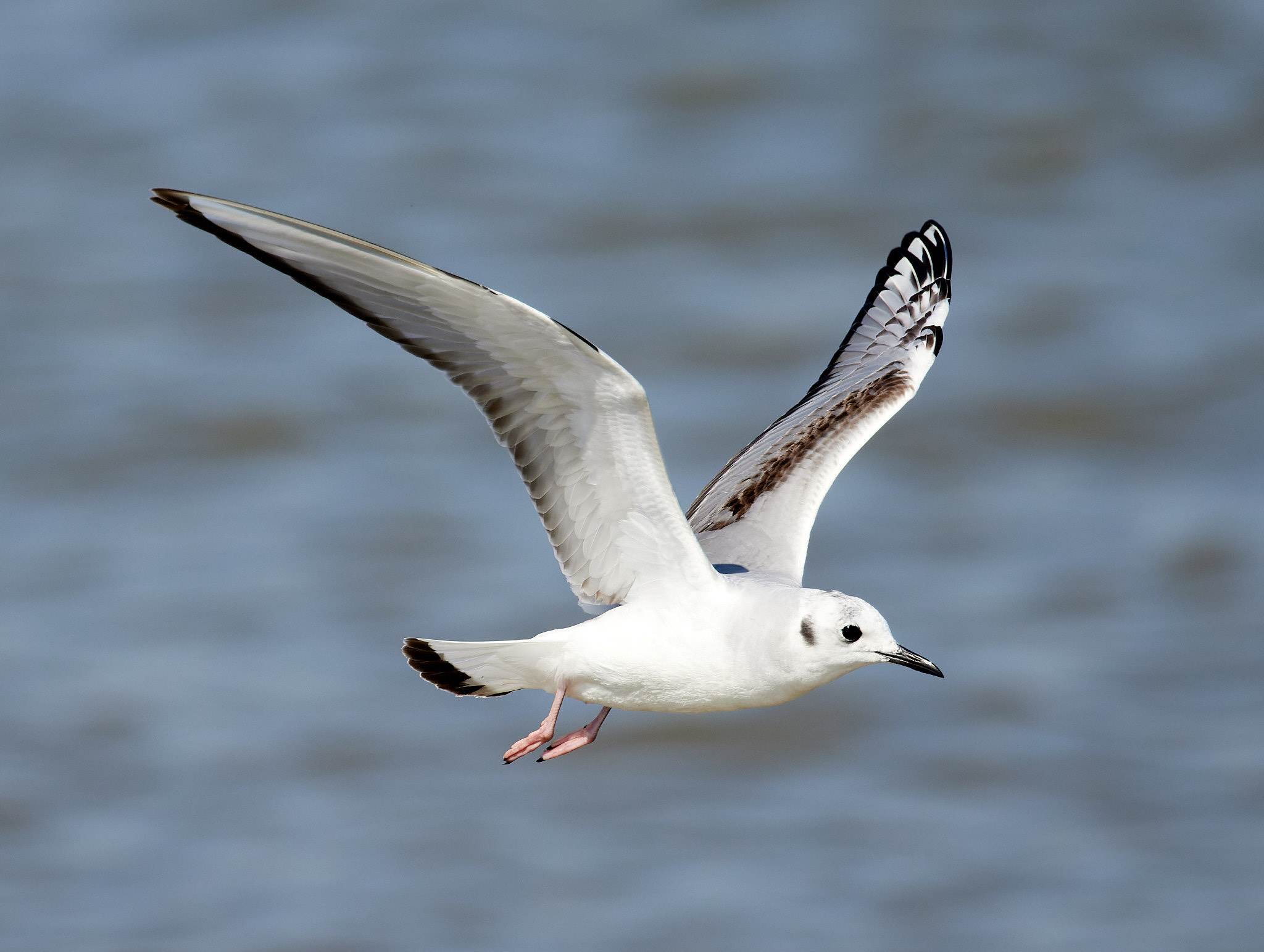
The animals that we commonly refer to as “seagulls” are, in fact, various types of gulls. There are many different species of gulls, and several of them are regularly seen on Texas beaches. Laughing Gulls are the ones that I see most often on the Upper Texas Coast, but we also see Ring-billed Gulls, Herring Gulls, Bonaparte’s Gulls, and others.
Each of these gull species is distinct, with its own range, behaviors, and markings, but they do all look pretty similar. Gull identification is quite difficult, not only because the species look similar, but because these birds change over the years. Winter plumages are different from summer plumages, and first-year plumages are different from second and sometimes third -year plumages. Even their beaks and legs change color over time!
There can also be regional differences. American Herring Gulls look different from Vega (Siberian) or European Herring Gulls. Northern Great Plains California Gulls look different from Great Basin California Gulls. This might not seem like a big deal, since you obviously know what continent you’re on, and therefore what version of Herring Gull to expect. But you do have to be careful and double-check that you are looking at the right version in the field guide, app, or online photos that you’re using as a comparison.
While all of these confounding factors can be frustrating, they do make correct gull identification more satisfying. A birder might feel some pride when she correctly identifies a Barred Owl or an American Bittern, but if she can identify a second-year wintering Ring-billed Gull, that’s a true success!
With all of the work that goes into identifying gulls, it’s no wonder that birders and biologists don’t want to lump all of the species and variations together under one “seagull” nickname. But in my personal opinion, I think it’s fine. People can enjoy birds and nature on their own terms and use their own words to describe them. The word “seagull” might not be taxonomically correct, but we’re not all writing our PhD dissertations here!
What’s more important than the name we call these animals is the way we treat them. Gulls are often viewed as pests or annoyances and taken for granted on our beaches. But as birders can attest, there’s a lot more to gulls than you might think! Just like other bird species, gulls need their habitats to be clean, safe, and undisturbed. You might see large groups of gulls resting on the shoreline this winter and feel the urge to run through them… please resist this urge! Gulls, terns, and other shorebirds need to rest in these large groups to stay warm in the cold winter months. The more they’re disturbed, the more heat and energy they lose.
You can help gulls and other birds by giving them their space and leashing your dogs on the beach. And you can learn more about Gull identification by signing up for Gulf Coast Bird Observatory’s Gulls and Terns ID Class on February 23-28th. But if you want to just go on calling them seagulls, I certainly won’t fault you!
Image: Bonaparte’s Gull
Credit: Kris Kalapala

