By Celeste Silling
For the past 26 years, Gulf Coast Bird Observatory has hosted the Smith Point Hawk Watch at the Candy Abshier Wildlife Management Area in Anahuac. At the hawk watch, we (specifically Bob, the Counter) count and identify the raptors that migrate through Smith Point all day every day for 3.5 months (Aug 15-Nov 31). We do this to monitor raptor populations and migration.
A raptor is a bird that feeds mainly on meat, achieved either through hunting live prey or searching out carrion (dead animals). The word raptor comes from the Latin “rapere,” meaning to seize or sweep away. This likely comes from their impressive ability to capture prey with their strong talons and fly away with it.
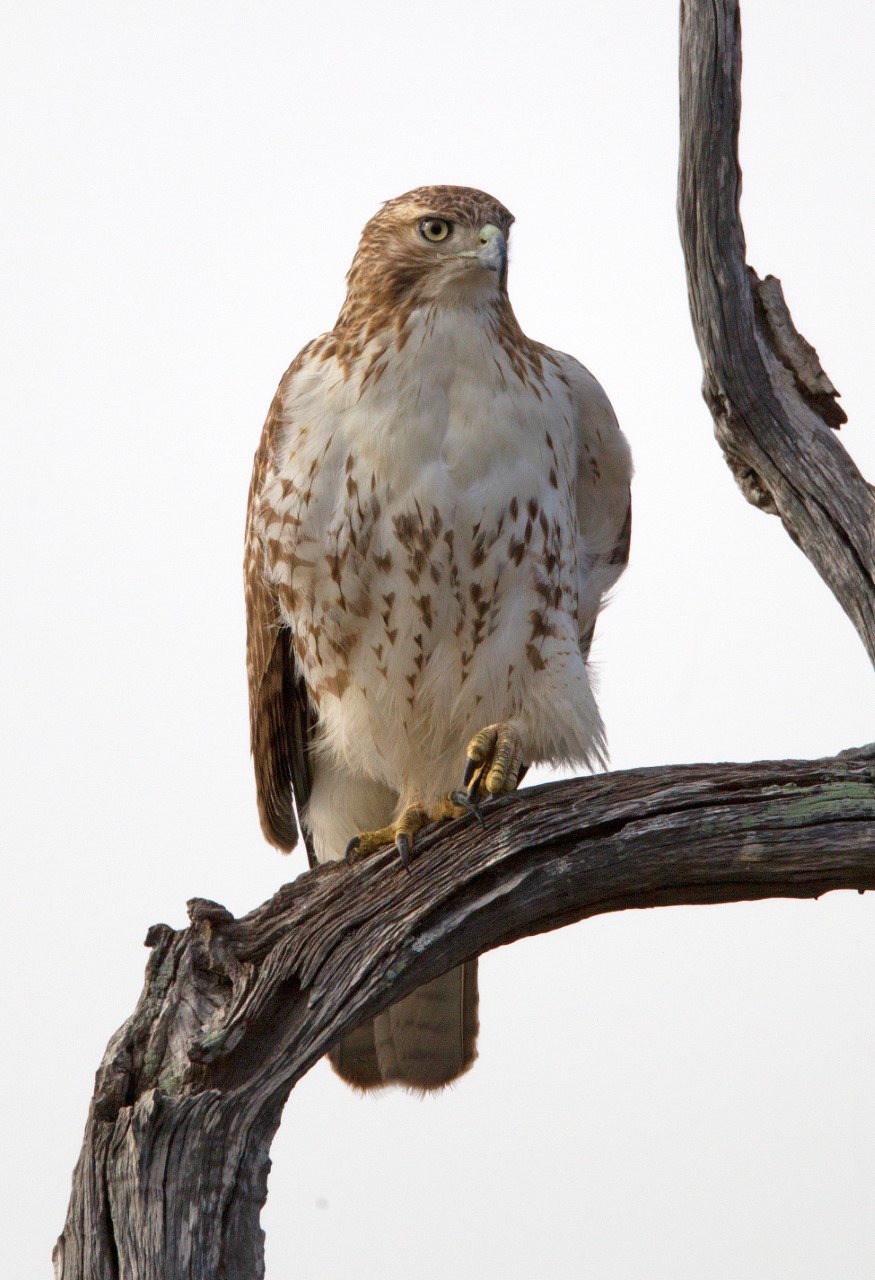
Raptors have three prominent features that make them amazing hunters. First, they tend to have amazing vision to see small movements and details from far away. This allows them to sense prey from their high-up perches or from the air. Second, they have a hooked beak, which allows them to tear apart the meat more affectively. And third, they have powerful, sharp talons that allow them to catch and hold struggling prey.
Raptors are amazingly well adapted hunters, but these formidable birds still need our help sometimes. Raptors, like all birds, have been greatly affected by the modern humans. Specifically, they face threats like pesticides (ingested when they eat poisoned prey), window and car collisions, and habitat loss. Indeed, raptors are so affected by these threats, researchers have observed severe depletion of their populations.
One such instance occurred shortly after WWII, when the pesticide DDT (dichloro-diphenyl-trichloroethane) started being widely used. The pesticide washed into waterways where it was absorbed into the tissues of fish. Bald Eagles who ate the poisoned fish were suddenly unable to produce strong egg shells. The eggs would be crushed when the birds tried to incubate them, lowering the reproduction rate and thereby greatly reducing the populations of the birds. It was only in 1972, after much evidence had been gathered and presented, that DDT was banned.
Because of the many threats to raptors, Gulf Coast Bird Observatory and many other organizations all over the world have hawk watches to monitor how raptor populations are doing. Smith Point is a natural concentration point for southwardly flying raptors in fall migration. On the right day, one can easily see thousands of Broad-winged Hawks and other raptors flying overhead. The Smith Point Hawk Watch originated as an all-volunteer, part-time effort in 1992. In 1997, the Gulf Coast Bird Observatory in partnership with Hawk Watch International and the Texas Parks & Wildlife Department instituted a full-time, annual fall census.
From August 15 through November 30, the Hawk Watch is held daily at the Candy Abshier Wildlife Management Area where GCBO has a 30-foot observation tower. The hawk watch is staffed daily from 8:00 am to 4:00 PM CDT. You are invited to come out any day during the season! And if you’re interested in helping raptors and other birds, avoid the use of pesticides and turn your lights off at night for migrating birds.
Photo by Mike Williams
Caption: A Red-tailed Hawk perched and looking for lunch.

