By Kayla Pringle
Have you ever heard someone say that we are currently in a sixth mass extinction? A mass extinction occurs when the world’s biodiversity declines at a rate much faster than normal, resulting in at least 75% of species going extinct over a relatively short amount of geologic time (~2 million years). This “short” amount of time may seem like forever to us, but to Earth, this is just a brief moment in its long history.
Unlike the previous five mass extinctions documented in the fossil record, which were caused by catastrophic events such as asteroid impacts or massive volcanic eruptions, this one is largely driven by human activity. Habitat destruction, pollution, climate change, pesticide use, invasive species, and other man-made problems are pushing countless species toward extinction across the world.
One of the clearest warning signs comes from birds. Birds are often considered indicators of environmental health because they respond quickly to changes in ecosystems. When bird populations decline, it usually signals larger ecological problems affecting insects, plants, water quality, and climate stability.
In 2019, researchers from the Cornell Lab of Ornithology, along with many other partners, published a landmark study in the journal Science showing that North America has lost nearly 3 billion birds since 1970. That represents a decline of roughly 29% of the continent’s bird population in less than fifty years. In plain terms, this means that we seen 3 billion less birds flying in the air in North America today than we did in 1970.
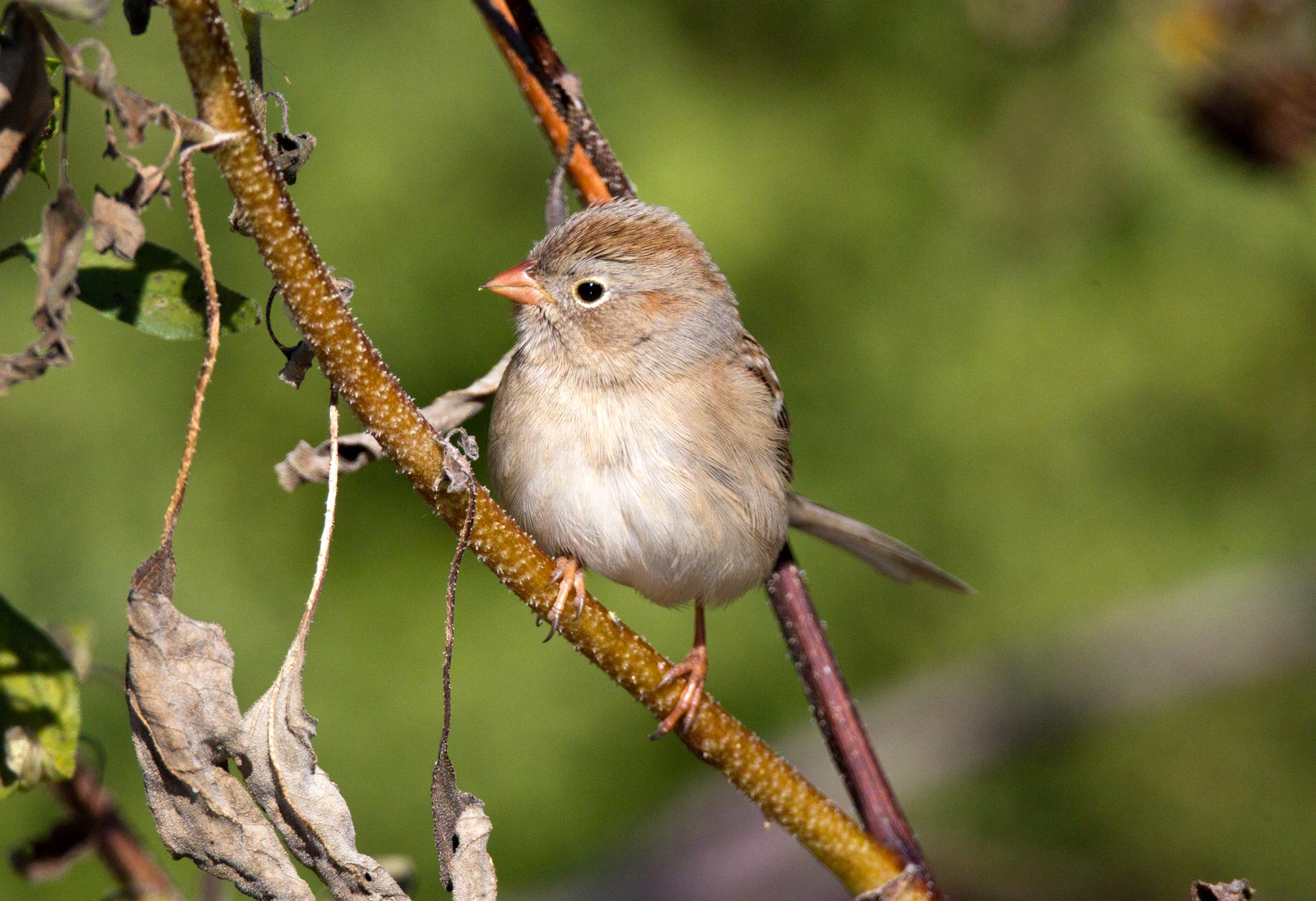
What shocked scientists most was that the declines were not limited to rare or endangered species. Many common birds that people once saw regularly in backyards, fields, and wetlands are disappearing. Species such as meadowlarks, swallows, sparrows, and blackbirds have experienced dramatic population losses. Grassland birds were especially hit hard, declining by more than 50% due largely to the agricultural industry and habitat loss.
A huge factor affecting these grassland birds are the use of pesticides with neonicotinoids in them. These harmful pesticides reduce insect populations that many birds depend on for food, thus shortening their food supply and altering ecosystem diversity. Window collisions, outdoor cats, and artificial light at night kill hundreds of millions of birds annually in North America alone, as well.
Habitat loss is one of the biggest, if not the biggest, cause for species decline. Forests, wetlands, and grasslands are being cleared or fragmented for development, agriculture, and infrastructure. Birds that rely on these habitats for nesting, feeding, and migration lose the resources they need to survive.
Despite the seriousness of the crisis, there is still hope. Conservation efforts have successfully helped some bird populations recover, including waterfowl, through legislation and habitat restoration efforts such as the Migratory Bird Hunting and Conservation Stamp Act.
We know that bird populations can bounce back when given enough time and resources. Scientists stress that protecting habitats, reducing pesticide use, planting native vegetation, limiting light pollution, and addressing climate change can help slow or reverse many declines.
The loss of 3 billion birds is more than a statistic. It is a warning that the natural world is changing rapidly. Like with a canary in a coal mine, we must pay attention when our birds stop singing.
Photo by Mike Williams
Caption: Grasslands species are some of the birds that are disappearing most rapidly

