Kate Underwood
If you’ve spent any time traveling around Texas, you know this state is home to wild and beautiful places. What you may not know is that up until relatively recently, Texas had many more large, predatory mammals than it does today.
A cowboy falling asleep under the stars in the 1800s may have heard the howls of wolves. Two subspecies of gray wolves used to prowl the western-two thirds of the state. Their disappearance was due to habitat loss and persecution. The last gray wolves in the state were shot in 1970 near the Mexican border. Red wolves also used to roam Texas. They ranged across East, Central, and South Texas. The last red wolves of Texas were taken from Galveston for a captive breeding program in the 1970s. They were victims of habitat loss, overhunting, and hybridization with coyotes, plenty of which still exist in Texas.
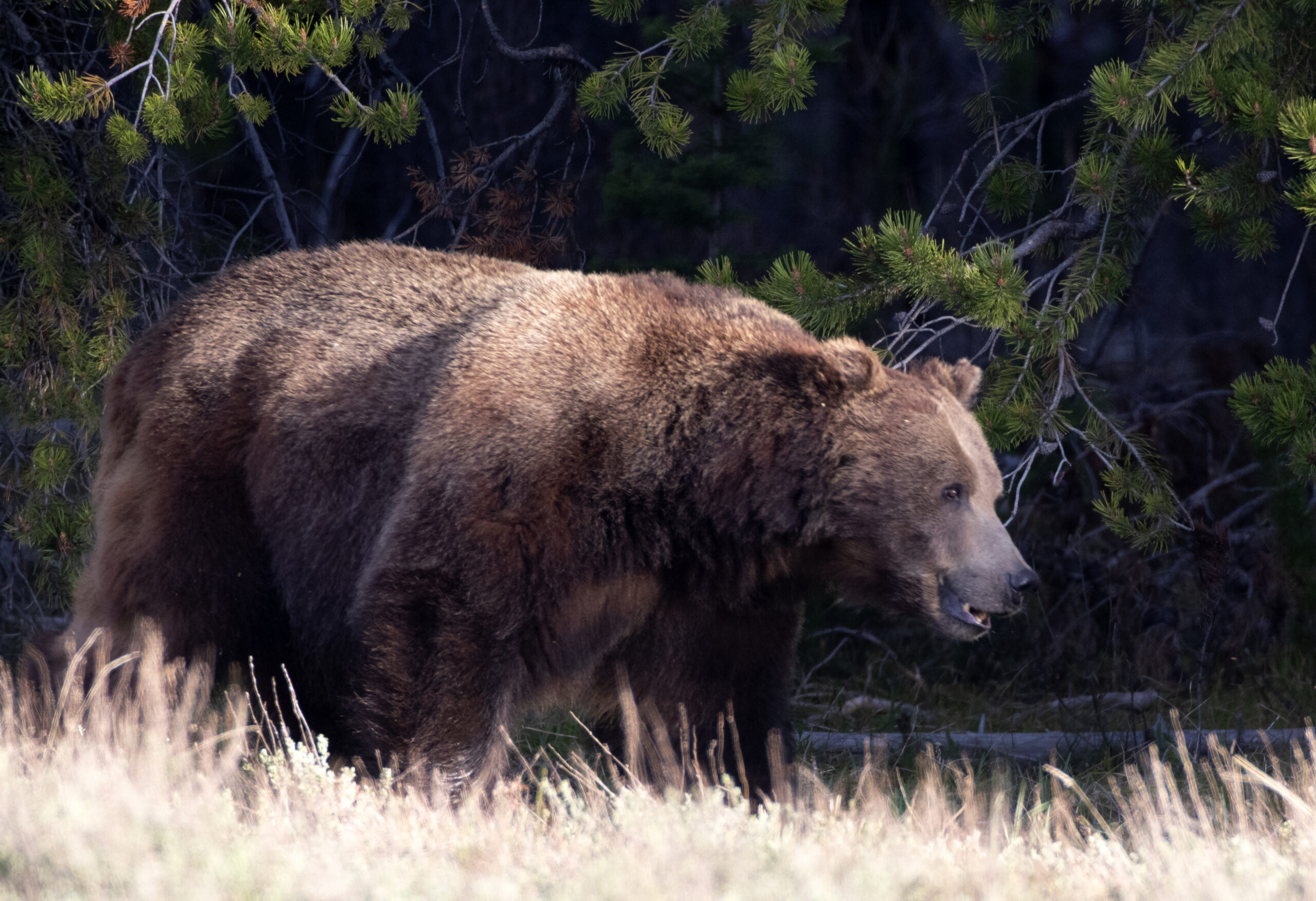
An intrepid adventurer exploring the mountains of West Texas during this time period may have crossed paths with a grizzly bear. Grizzly bears were never common in Texas, but a few sightings and a specimen shot in 1890 attested to their residence in the mountains of the Trans Pecos. Black bears, on the other hand, were once abundant in West and East Texas. They were extirpated for a time due to overhunting, but have since returned as individuals from Louisiana and Mexico have recolonized old stomping grounds.
Those taking a dip in the Guadalupe River may have looked up into the trees and locked eyes with a jaguar. Jaguars historically ranged throughout south, central, and east Texas. They were victims of hunting and habitat loss. The last Texas jaguar was shot in 1948 near Kingsville. Their mountain lion relatives still roam the state, no doubt in smaller numbers today than back then. Texas treats mountain lions as a non-game animal and does not systematically track their population numbers. Mountain lions may legally be killed anywhere, anytime, and in any quantity by anyone with a valid hunting license and landowner permission.
Wandering at night in the Rio Grande Valley of the past may have put you face to face with the cryptic and mysterious jagurundi, a small cat that used to reside throughout the valley. The last known sighting in Texas was a road-killed individual in 1986. Land clearing and agriculture are the culprits of this unique cat’s disappearance. The ocelot, an endangered relative of the jagurundi, still roams deep South Texas in very small numbers.
Many of these large predators of Texas were intentionally wiped out as a part of misguided programs intended to protect livestock and boost game animal populations. In Texas, these programs started with private ranchers putting out bounties on predators. Around 1930, the Texas government formed its own predator control coalition, mirroring the federal government programs already in place by this time. Dogs, poisoned carcasses, traps, den-hunting, and firearms were all methods used to exterminate predators. While these programs are mostly defunct, many of these historic predators will never return to Texas. But hope remains; conservation initiatives are underway for black bears and ocelots, and many people are advocating for better mountain lion management. With a little time and effort, we can keep Texas wild.
Photo: Grizzly Bears once lived in Texas in small numbers Credit: Mike Williams

