By Celeste Silling
It’s the spookiest time of the year, and I’ve been seeing a lot of bat decorations around. This has got me thinking about our winged mammal friends, who often do not get the credit they deserve! Bats, despite their association with Halloween, are not scary at all. In fact, they play very important roles in our ecosystem.
Bats are important pollinators, delivering pollen from plant to plant and helping many species reproduce. This helps us grow crops and keep our habitats healthy. Bats also play a very important role in pest control. The vast majority of bats eat insects or invertebrates in one form or another. This includes mosquitos, flies, moths, spiders, flying ants, midges, and even scorpions. Some bat species are specialists, only going after certain prey insects, and others are opportunists that will eat any bug they can catch. Because they can eat hundreds or even thousands of insects per night, bats are incredibly helpful to farmers and anyone else who wants to keep the pest population down.
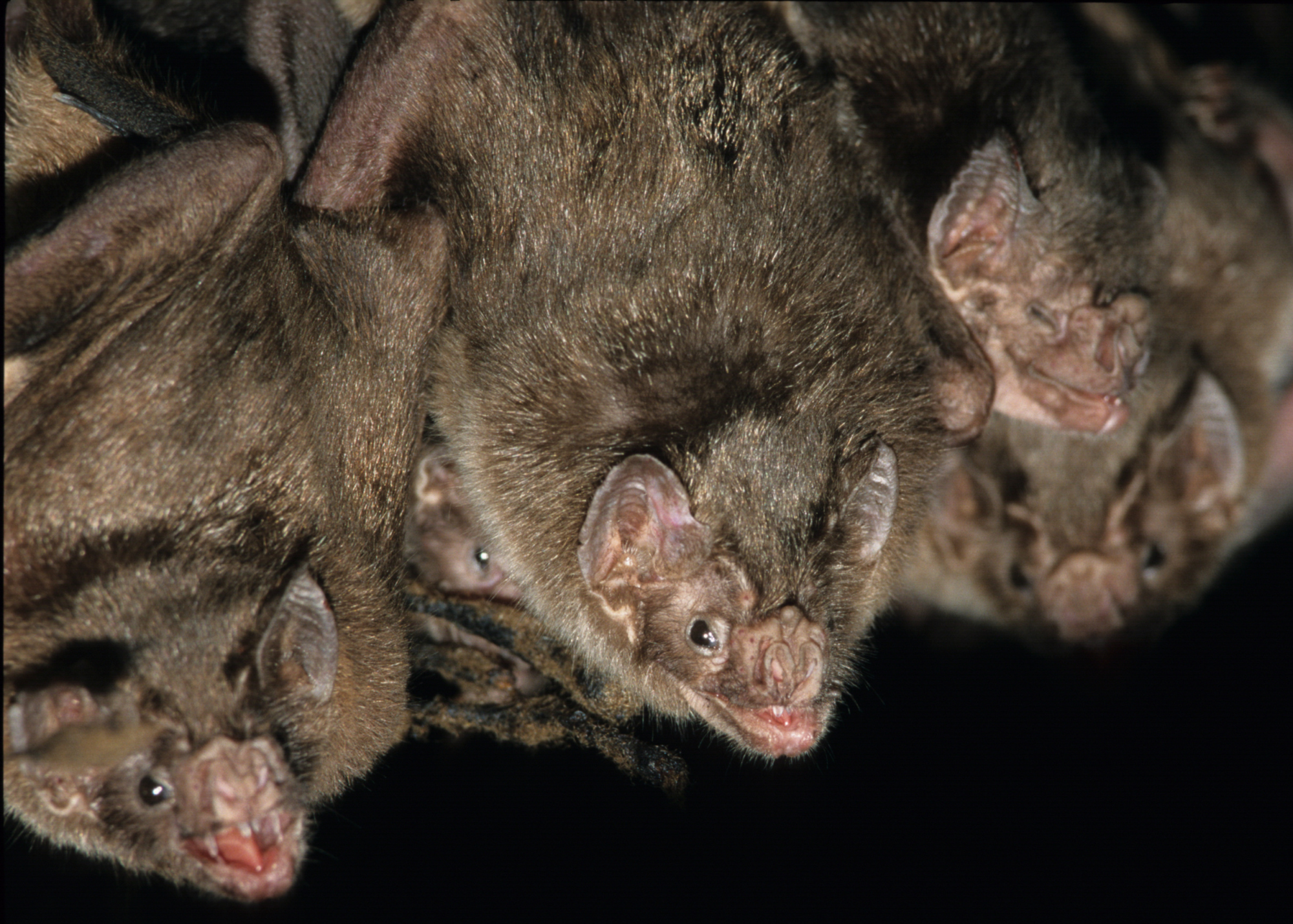
Most bats eat just fruit, nectar and/or bugs, but because this is a Halloween article, I must address the blood sucker in the room… Vampire Bats! There are only three species of blood-sucking bats in the world and all live in Central and South America (not Transylvania). The Hairy-legged Vampire Bat and the White-winged Vampire Bat feed mainly on the blood of birds. But the Common Vampire Bat feeds on the blood of mammals, and is the best known of the three.
The Common Vampire Bat feeds at night and targets animals like cows, pigs, and horses. This bat has excellent hearing and can hear its prey breathing. Once it has located its prey, the bat lands on the ground and crawls onto the leg of the animal. It uses heat sensors in its nose to find a spot where the blood is close to the surface, then make a very small incision with its teeth. Anticoagulants in the bat’s saliva prevent the blood from clotting, so the bat can have a nice stream of blood as it feeds for about 20-30 minutes. The cut is so small and painless, the sleeping animal usually doesn’t even notice that it’s been visited by a vampire.
While Texas isn’t home to any vampire bats, we can boast that we are the battiest state in the country! Texas is home to at least 32 of the known 47 American bat species and we have the largest bat colony in the world at Bracken Cave Preserve near San Antonio. Houston itself has two large bat colonies under the Watonga Bridge and the Waugh Drive Bridge, and the huge evening emergences of these colonies are something to behold!
If you are lucky enough to see a bat or a colony of bats, there is some bat etiquette that you might want to follow. First, don’t shine any bright lights at the bats or make loud noises. We don’t want to disturb them in their hard work of pest control! Second, give the bats space and don’t touch any that you might find on the ground. This is for the safety of both the bat and you. Instead, stand still and listen for the little squeaks and flaps of these cool critters. With any luck, you’ll have a very batty Halloween!
Photo by Michel Viard
Caption: Common Vampire Bats

