By Celeste Silling
Ever since I moved to Texas, I have been plagued by ants. In New Mexico, where I grew up, ants were nothing more than mildly annoying pest. But here, they can be real terrors! I can’t tell you how many ant bites I’ve gotten in my few years of living here, and some of them were truly painful. So in an effort to better understand what I’m up against, I did a little research on Texas ants. Know thy enemy, right?
There are over 14,000 species of ants in the world and more than 250 of them are native to Texas. Additionally, we have some ant species that are invasive to the area. Native species are ones that are originally from here. Invasive species are ones that are not originally from here and are thriving after being introduced to the area. Why is does this distinction matter? Well, invasive species don’t really belong here and can harm the native species or take away resources from native species.
Perhaps the most well-known invasive ant species is the Red Fire Ant. These bugs are on my naughty list. They are reddish brown, build large mounds, and have a terrible attitude. If disturbed, they will bite and sting repeatedly. Red Fire Ants were brought to North America in the 1930s from Argentina. They were most likely brought in on accident as they were stowing away on imports. And they’ve been wreaking havoc ever since, displacing native insects, taking over habitats, and biting me!
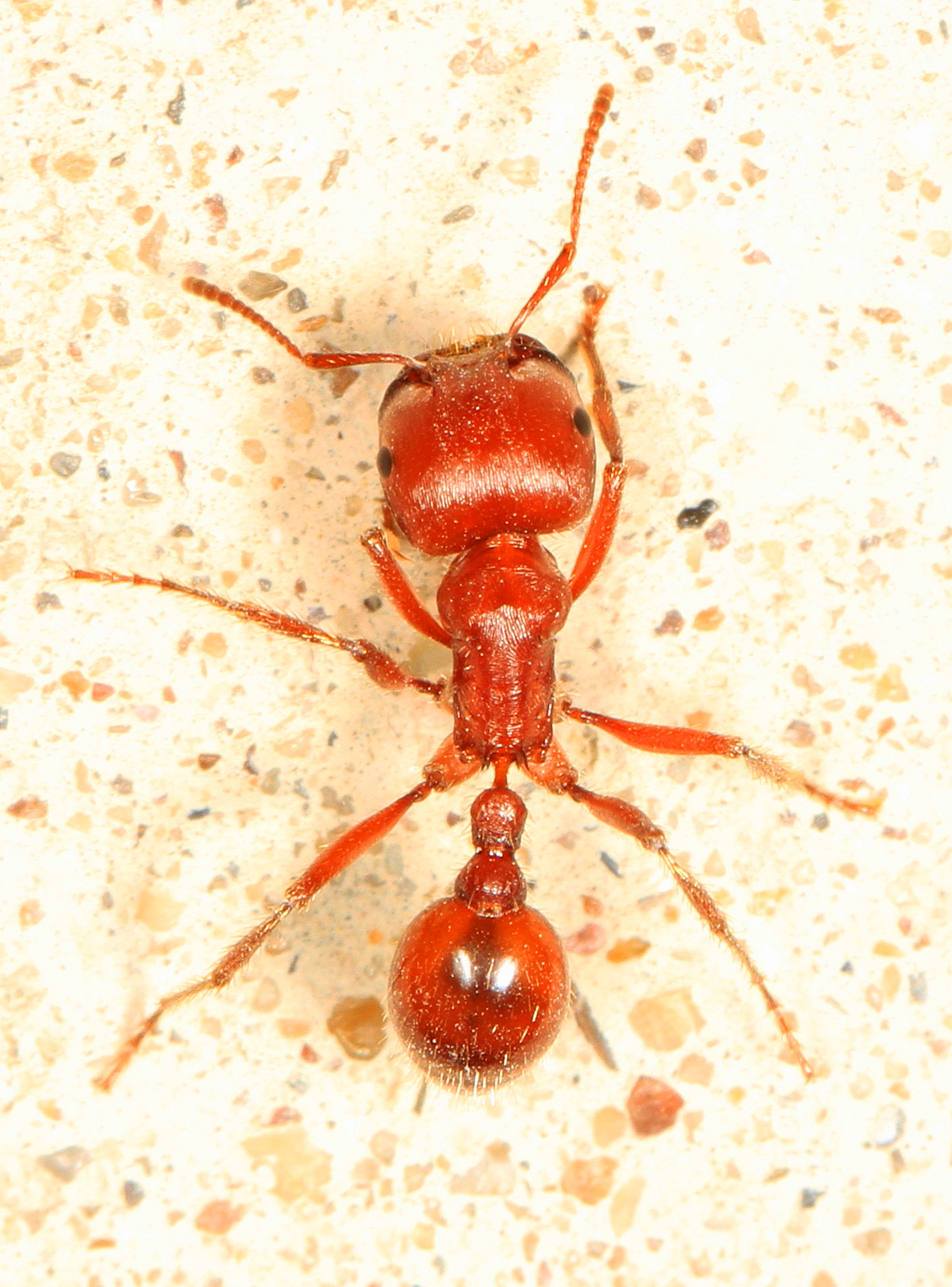
On the other hand, many native ants play important roles in our ecosystem. Red Harvester Ants, for example, gather seeds and store them underground. This can help plants grow because they disperse seeds. These ants are relatively easy to spot; there’s usually a big open area around their nest, and they have big square heads. On the downside, these ants can bite and sting, so watch out!
One of my new-found favorite ants is the Pyramid Ant. These are small and pale orange to dark brown. They don’t bite or sting, and they benefit humans by eating garden pests, including fire ants. While I’m not the biggest fan of ants, I might keep these in my garden, as they sound like nice neighbors.
One of the most important things that native ants do is improving the soil. They turn and aerate the soil, allowing plant roots better access to water and air. This helps the plants grow. Native ants can also be an important food source for other wildlife such as toads, lizards, and woodpeckers.
So, it would seem that there is far more to these little bugs than one might think. While the invasive ants, like the Red Fire Ants, are a complete nuisance, the native ants are not. Of the hundreds of native ant species in our state, each one has its own niche and role to play in the ecosystem. Many don’t bite and are actually quite beneficial to humans. So, before you call an exterminator, make sure: are these ants friend, or foe?
Photo by Judy Gallagher: Red Harvester Ants have large, square heads.

