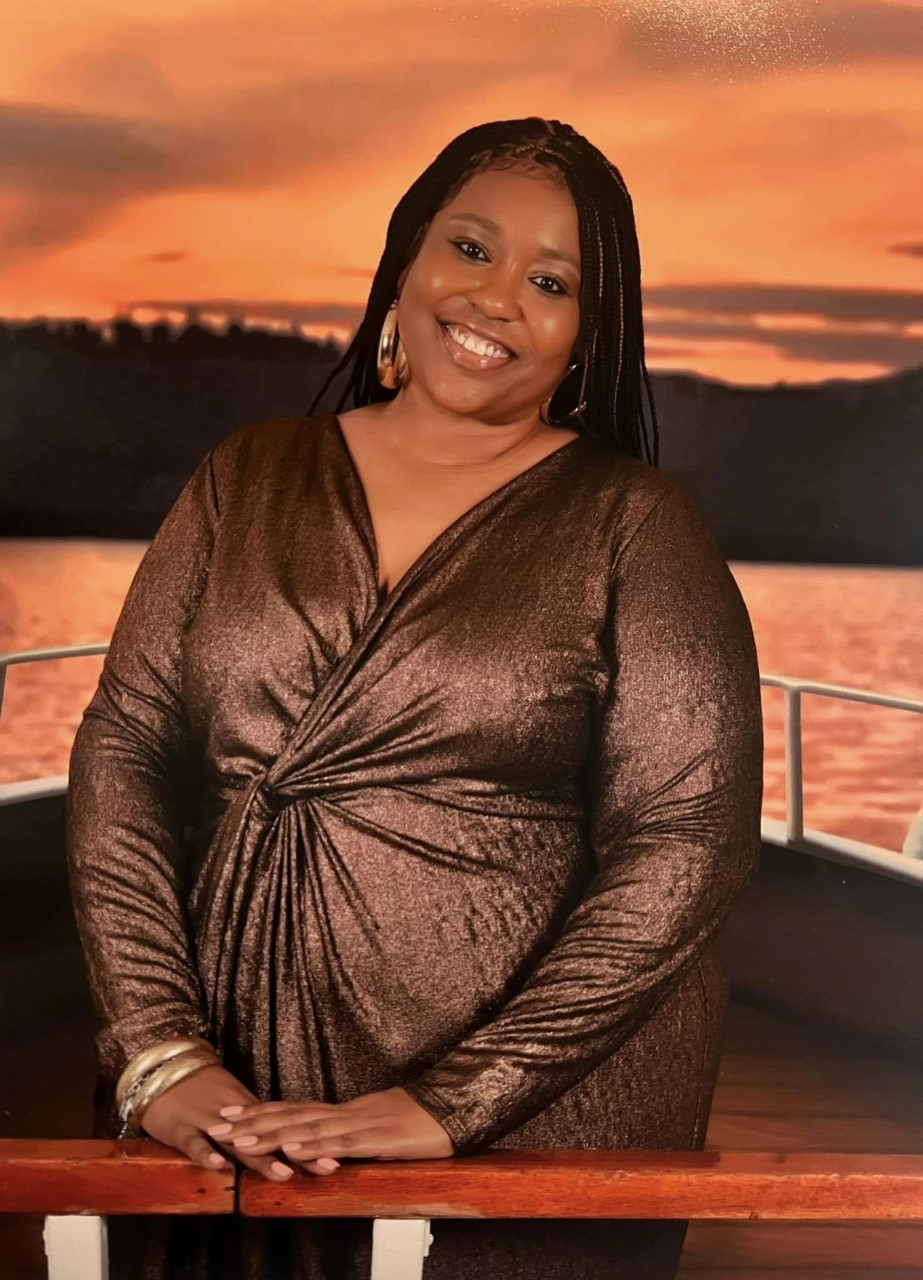
As a proud native of Galveston, Juneteenth, and its history, is as American to me as apple pie. Growing up in Galveston in the early 70s and 80s was a time where people who looked like me were making their marks in Galveston, Galveston County, and this world.
From Thomas Armstrong, a successful Black entrepreneur, who owned several businesses on the island and was named one of the 100 Richest African Americans in America in EBONY magazine and to Jack Johnson, the first Black heavyweight champion, Galveston’s rich Black history is one that can be told for generations to come.
However, there’s one bit of Galveston history that has stood the test of time, and one that I’m proud to say cannot be replicated anywhere else. That one piece of history, Juneteenth, began June 19, 1865, on my small, barrier island off the southern coast of Texas.
Considered our country’s second Independence Day, Juneteenth is now celebrated as a federal holiday, and it commemorates the emancipation of enslaved African Americans. I’m sure we’ve all heard of the history of Juneteenth and how it came to be and how it’s been celebrated not only in this country but around the world.
So, that’s why when I heard about the Blank Slate Monument Project coming to Galveston as the last stop on its nationwide tour, I couldn’t be more excited about what this brilliant monument, designed by Ghanaian artist Kwame Akoto-Bamfo, would not only mean to my community, but for the millions of tourists who visit Galveston, too.
According to the artist, the monument is a reimagining of the American monument, interrogating the traditional white supremacist commemoration of the American Civil War. It was designed to combat Confederate monuments’ traditional imagery of white generals on horseback leading the South into battle with an allegorical deconstruction of the Black experience before, during, and after the Civil War.
Some may ask why this is relevant and/or important at this time in our country, which is rife with racial discord and political strife. Simple. It’s time to change the narrative in this country that we, all Americans, must settle for the status quo.
There’s no doubt our country is in turmoil. It appears we’re in a quandary as to how to truly be “united” in the United States of America. As it pertains to how this country was founded and who did what and to whom, I believe our history is clear of how we came to be. We cannot and shouldn’t erase any parts of our history, good or bad, because as the old saying goes “those who don’t remember the past are condemned to repeat it.”
Thanks to the Nia Cultural Center, under the leadership of Sue Johnson with help from Sam Collins III, the monument is now on display in front of Rosenberg Library through July 5 to help celebrate a myriad of events on the island, including Cinco de Mayo, Juneteenth, and the Fourth of July to name a few.
I want to encourage everyone to take the time out to visit the monument that highlights the past and the future of what we truly can be.
Angela Wilson is a native of Galveston and lives in Texas City.

