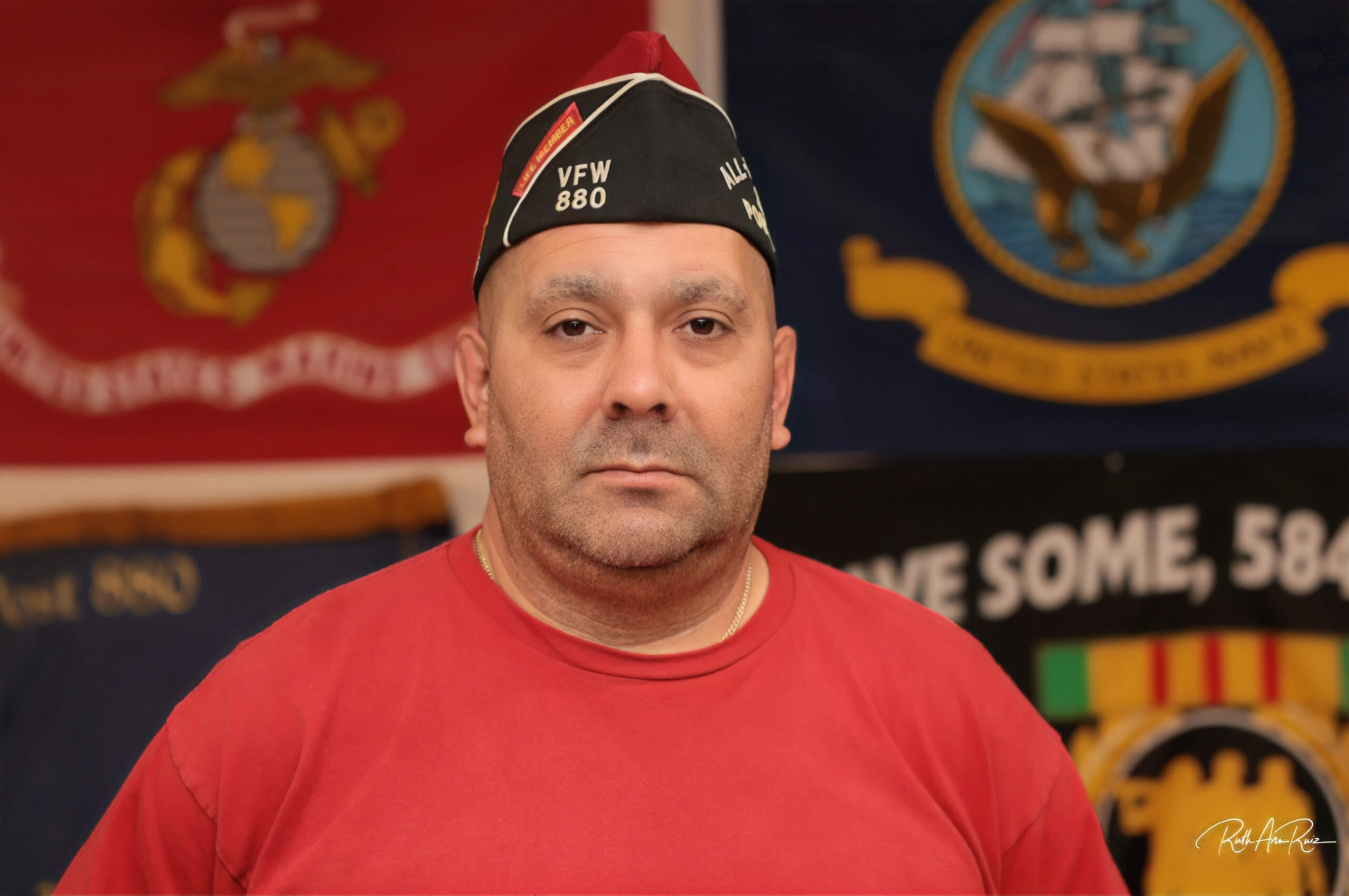

By Ruth Ann Ruiz
The Post Newspaper Features Editor
Imagine yourself immersed in a setting where you do not have a choice about what time you wake up each morning. You do not have a choice about how much time you take for your morning grooming. You get up on command and groom on command.
Then go further and imagine that you do not throw on your favorite jeans and shoes or your favorite skirt and sandals. Instead, you wear a United States military uniform.
Imagine you are rooming with more than just one person. You are living in a room full of people—people you know, people whose lives depend on the skills and steadfastness of one another.
Then imagine yourself and your roommates being targeted by bullets or by a suicide bomber who walks near your military company and detonates himself or herself, killing U.S. military personnel.
This is only part of what a service member serving in a conflict zone may experience daily.
Then one day, all the commands, all the daily bonding you formed with your company, and all the real threats of life-or-death situations have ended, and you are back in America, no longer in a war zone.
Returning to life as a civilian after serving in war is what service members face, and that transition can prove to be very challenging.
A Veterans of Foreign Wars post provides a place where veterans of foreign wars can meet others whose language and experiences offer a sense of community and comradeship they may not find in civilian life.
Ted Nugent is the vice commandant of Galveston’s VFW Post #880. He served as a Marine in the Iraq War.
Nugent knows firsthand what it is like to be shot at by snipers and to guard against his own death and the deaths of his comrades.
“For a span of almost a month, every day we were shot at,” said Nugent.
His return to civilian life was not easy.
“I had a very hard time transitioning to civilian life,” said Nugent. “In the military, we had our own vocabulary. Our daily activities were planned for us. In the military, there is a certain way to speak with someone above your rank.”
He continues to carry himself as a Marine as he applies his military experience to supporting veterans who are in distress.
Along with helping operate the VFW, Nugent maintains a 24/7 commitment to being available for veterans who are suicidal.
A veteran can call him in the middle of the night, and with the soul of one who has walked in the same shoes, he offers his ears and heart for listening, and his voice for speaking words that a veteran understands.
His role is known to other veterans, and his number is shared among them.
Nugent found the healing nature of veteran-to-veteran support when he attended the University of Houston-Clear Lake.
“I went into the Veterans Affairs office at the college, and they rolled out the carpet for me,” said Nugent. Not only did they assist him with applying for his veterans’ financial benefits to attend college, they also asked him to work in the office.
Nugent’s face brightens, and a smile replaces his focused, hardened Marine Corps expression as he speaks about his college years.
He completed a bachelor’s degree in criminology, a master’s degree in criminology, and a second master’s degree in human behavior science.
While working in the Veterans Affairs office, he said he developed a passion for helping fellow veterans, which is what he continues to do through his role at the VFW and through his membership in other veteran groups.

