By Rebecca Bracken
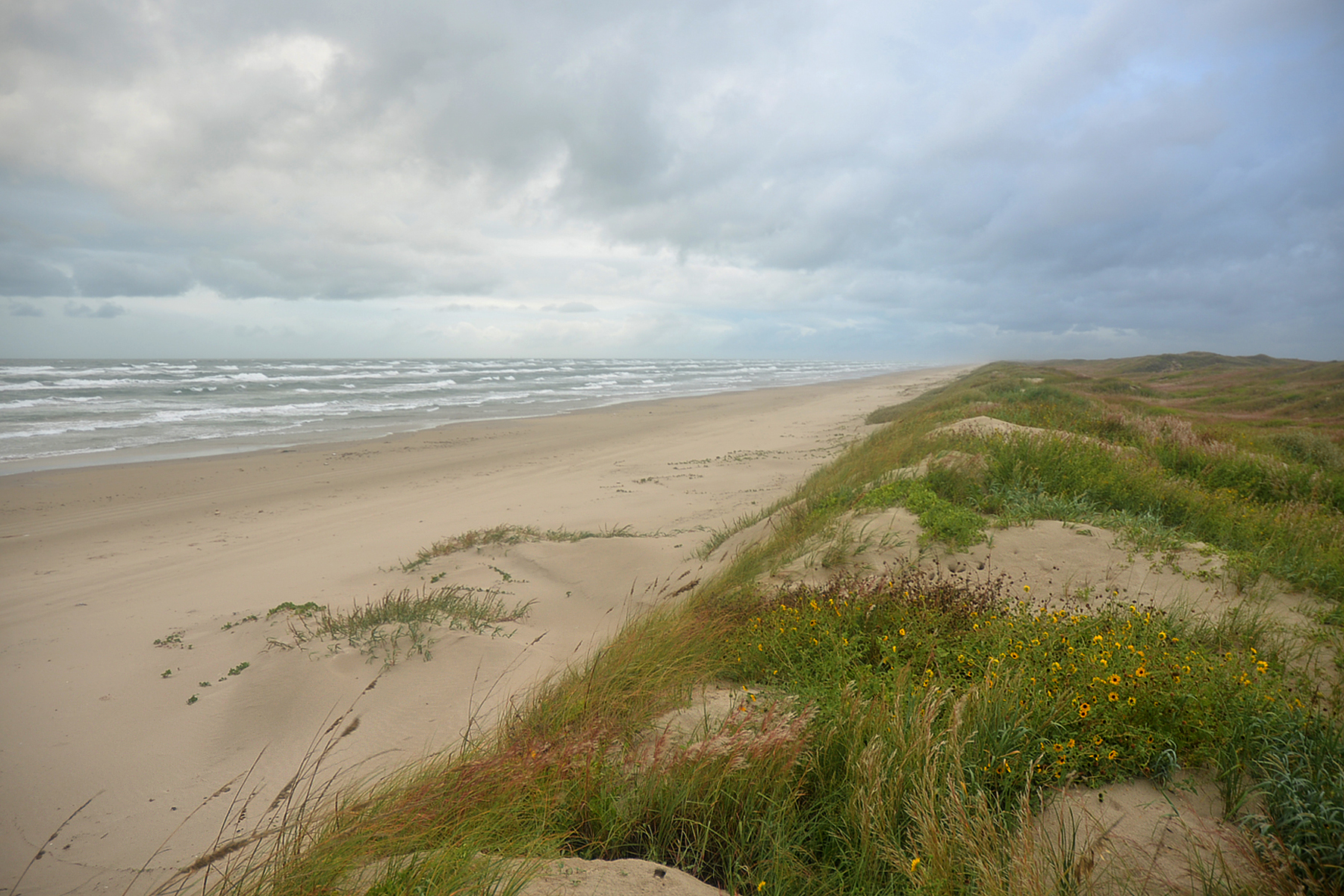
Were you on the beach this past weekend, or maybe you plan to be over the Labor Day weekend? Have you noticed the piles of sand with plants growing out of them separating the beaches from the nearby roadways? These mounds are called dunes, and they are incredibly important not only for coastal wildlife but also for people!
Dunes can be created naturally or by humans. When the wind blows in the right direction, sand is pushed up the beach and is caught in plant roots, accumulating in mounds. Once a dune is created, a healthy and extensive root system is often needed for it to maintain its shape. Dunes fluctuate in size and shape depending on the wind, weather, tides, waves, and storm events. They are also often created during habitat and wildlife management activities; during these times, managers often aim to restore dunes by removing unwanted plants or adding additional sand.
Dunes and beaches provide food and shelter for a variety of wildlife including many shorebirds, small mammals, and insects. Many shorebirds lay their eggs on and between the dunes, which offer camouflage and protection. Birds stop to refuel on the beaches and dunes during fall and spring migration. Sea turtles crawl out of the water to lay their eggs on the beach and sometimes up against the dunes. Dunes are often home to plants that are found nowhere else. These plants can be the only food source for some butterfly species.
Coastal environments are considered some of the most threatened environments on the planet. They are vulnerable to quick and drastic changes caused by storms, wind and water movements, and sea level rise. As sea levels rise and storms become more intense and frequent, low-lying coastal areas are more likely to flood and erode. Dunes, when managed correctly, can act as a buffer to these weather events and prevent loss of homes and lives. Healthy dunes also supply extra sand to beaches that have experienced erosion from storms.
Unfortunately, dunes are under threat from several angles. As urbanization increases, there is increased demand for beach access and beach-front properties. If dunes are removed and beaches are shrunk in depth during coastal construction, their ability to act as a barrier decreases. When we walk across dunes to get to the beaches, we all enjoy, we can unknowingly destroy not only the dune structure but also nesting habitat for shorebirds.
Since beaches are one of the largest drivers of coastal tourism in the United States, we need to be aware of where we walk while still enjoying our day out. If we don’t protect the dunes, our beaches may not be there in the future for us to enjoy.
So next time you’re out walking along the shore, take a moment to look inland and see what you can find on the dunes. See if you can find shorebirds running around in the sand, or butterflies darting from plant to plant. But don’t forget to look from a distance to keep our dunes healthy! Share the shore, and the dunes, and enjoy your time at the beach!
Photo by William L. Farr
Caption: Texas coastal dunes host a wide variety of animals and plants.

