
By Ruth Ann Ruiz
The Post Newspaper Features Editor
“Flying is exhilarating,” said Vietnam combat pilot Frank Urbanic—and indeed, just being among the airplanes at the Lone Star Flight Museum felt exhilarating. On the main hangar floor of the museum are historic aircraft polished to a sheen that reflects light and images. Each plane represents a moment in American aviation history.
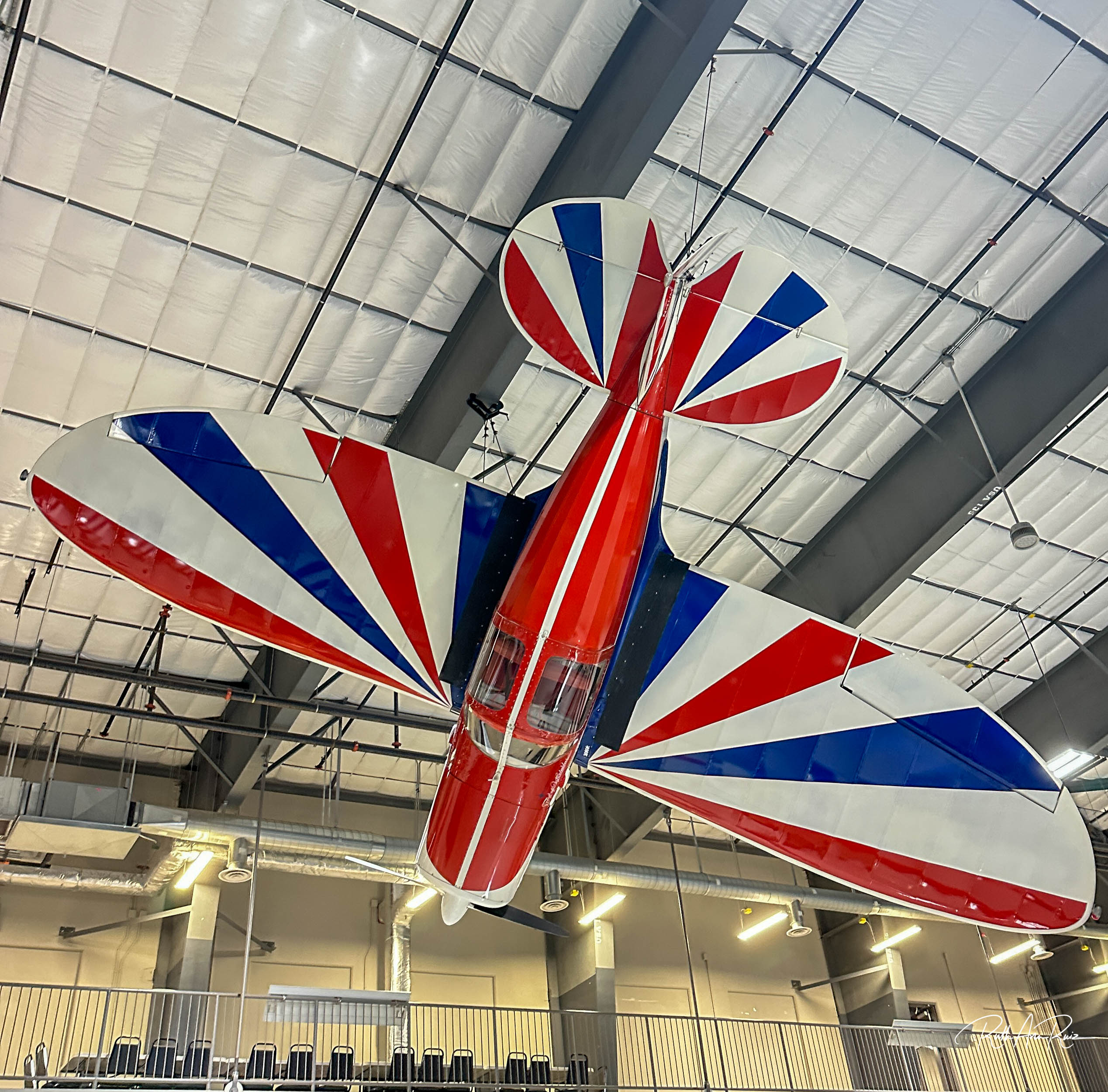
Suspended from the ceiling, upside down, is a Culver Dart, an American two-seat light monoplane produced in the 1930s. With its red, white, and blue paint scheme, it captures the spirit of American flight history. If you go up to the observation deck, you can get a peek at the underside of the plane.
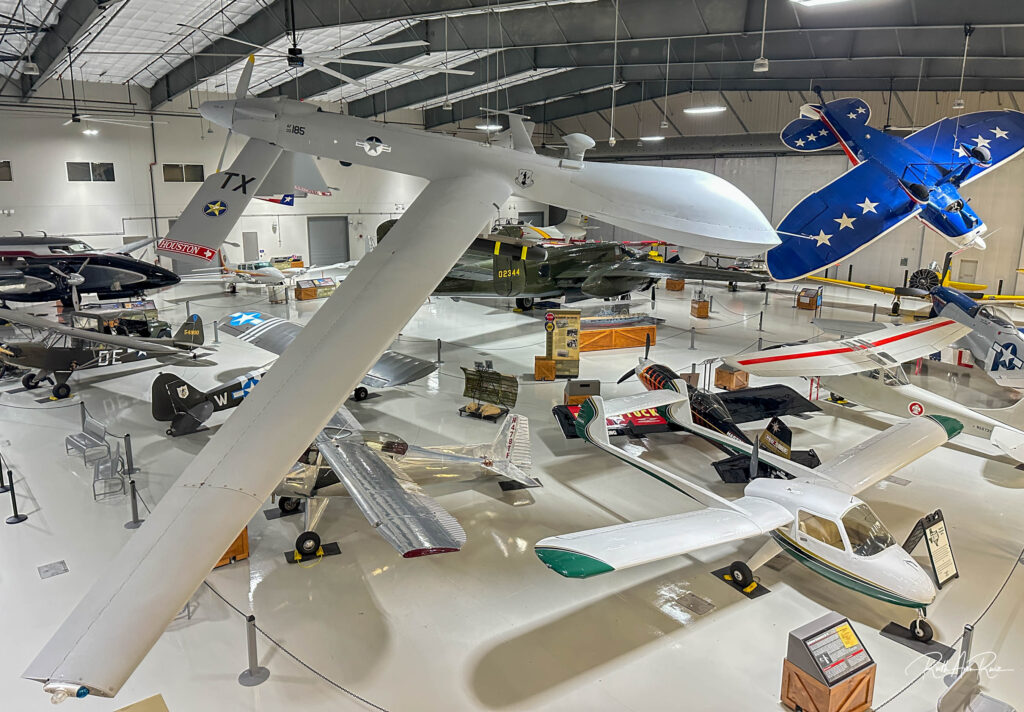
Another aircraft suspended from the ceiling is ghostly and easy to miss if you only do a quick scan: an unmanned MQ-1 Predator. This aircraft took its first flight on August 1, 2008 and then was sent to Afghanistan where it flew 79 combat missions.
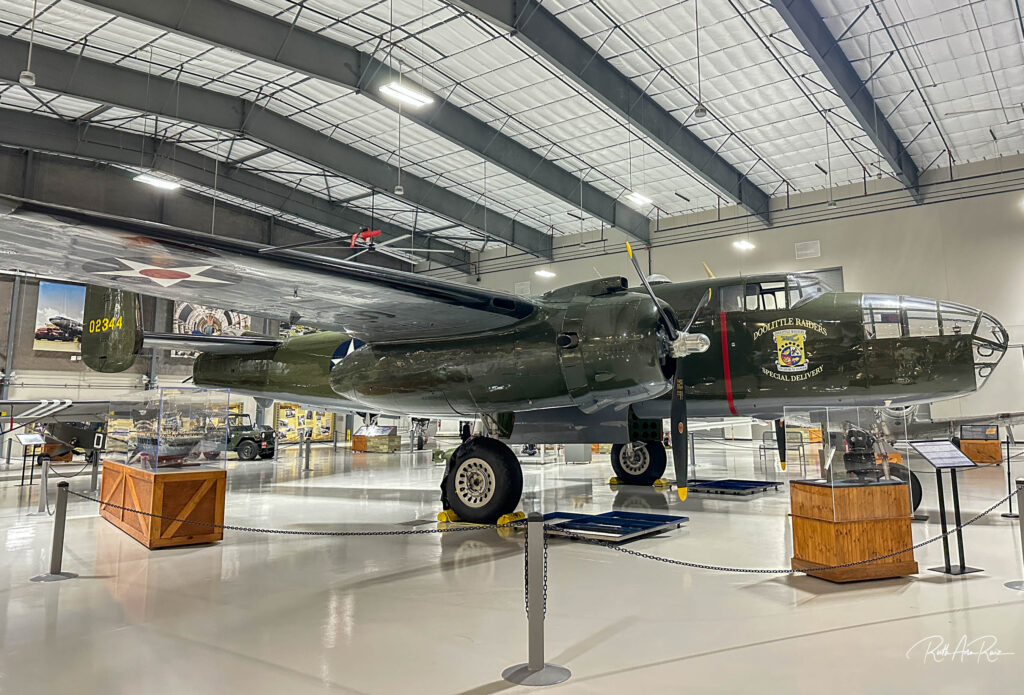
A North American B-25 Mitchell, though surrounded by other aircraft, holds its own powerful position in the exhibit hall, just as it once did in WWII. As you stand admiring the deep olive paint, you can easily be taken back to the 1940s and feel the might and power our nation drew on after the attack on Pearl Harbor.
With over 20 aircraft the museum staff can rotate planes on display so that frequent flyers to the museum can have a different experience on their visits.
The museum includes plenty of information to occupy the interests of those who enjoy the details of each aircraft along with displays of open propeller systems and you can put your hands on bullet casings that possibly once accompanied an airborne gunner.
Beyond the hangar rooms are other options for visitors to enhance their experience, such as the Boeing Toddler Terminal, where a little tyke can pretend to take off and land an aircraft. For a more realistic experience, the museum hosts flight simulators where visitors can experience a bit of what it is like to be a pilot.
With America celebrating her 250th birthday, the team at Lone Star Flight is ready to celebrate with the history of Texas aviation and is hosting a temporary exhibit, “Made in Texas: 116 Years of Aviation History.” In this exhibit you will learn all about the rich history of Texas aviation and how it impacted American aviation history.
As we look at Texas history we can go back to September 1st, 2008, just one month after the MQ-1 Predator made its first flight, the upper Texas coast was hit by the devastation of Hurricane Ike. The Lone Star Flight Museum was housed at Scholes International Airport in Galveston at the time of Hurricane Ike. The flooding that overwhelmed the island airport prompted the museum board to search out another location, and they ultimately settled on a site north of I-45 in Harri County.
The good news part of this history story is that the historic aircraft owned by the museum were moved to higher ground before the water deluge. Most of those aircraft are part of the permanent collection at its current location, just a short drive north of I-45 on 11551 Aerospace Avenue, Houston, TX 77034.
The new location makes it convenient for the entire Houston metropolitan region to enjoy.
The bad news part of the story is that the hangars and the hall of fame had received 7-8 feet of water and there was damage to some of the aircraft on loan from the Air Force Museum.
“We loved Galveston! Galveston was a very supportive community to us, but we couldn’t expose the collection to that kind of weather,” said Scott Rozzell, a member of the museum board of directors.
Construction on the current site began in 2015 and was on track for a grand opening on September 1, 2017, but Hurricane Harvey caused the grand opening to be postponed until September 16th, 2017.
Today, the museum sees more than 100,000 visitors a year. For those interested in flying aboard one of the aircraft, arrangements can be made. Each aircraft is maintained and flown, which, as Rozzell said, is part of what makes the Lone Star Flight Museum unique. (Selected aircraft make routine flights with paying passengers)
For more information on special events, special pricing, possible flights and just all around finding out more about Lone Star Flight Museum go to https://lonestarflight.org/discover-lsfm/

