
By Dorothy Meindok
The Post Newspaper Veterans Consultant
Hello everyone. I’m checking in this week from onsite in Walker County, Texas at Operation Red Wings Foundation[1] where I am serving (and also rejuvenating personally) as a Team Lead for female veterans retreats.
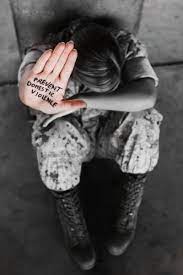
As I was driving here, I got the chance to speak with an exceptional mental health advocate & practitioner at Michael E DeBakey VA Medical Center (MEDVAMC), social worker Dr. Freda Johnson. We talked about the program where she serves our veterans & families in understanding the relationship between some of the most common mental health stressors veterans cope with such as PTSD and intimate partner violence (IPV).
We discussed many things and one of those things is a fact that as a group, Veterans are more likely to have had traumatic and stressful experiences where active duty service subjects a person to experience ongoing and repetitive traumas without any intervention or healing in between the events – due to things such as being in a war zone or deployed on missions where “home” is literally thousands of miles and months away, the survival mind or skills necessary to survive can become ingrained into one’s communication skill set. There is a good chance that once the person returns home to the United States and to a civilian environment, the once necessary behaviors used for survival are no longer a necessity. Yet, many veterans find themselves experiencing and/or using aggression in their close relationships and do not know exactly where it comes from or what to do about it. Many experience shame and embarrassment over it all and many simply choose to just leave their families not knowing what to do about it, accepting the blame, shame and guilt in their best efforts to safeguard those that they care about. In some cases, the veteran is wholly unaware that their reactional behavior is overly submissive/aggressive because they are simply used to surviving in order to serve or complete the mission. The behaviors have followed them home.
This is not to imply that the veteran is always the aggressor in the relationships, sometimes the IPV is received, endured & tolerated by the veteran for reasons also stemming from the same psychological hurdles faced in learning to survive in extreme environmental surroundings. They learn to live with abnormality, suffer and rationalize the use of continued, unhealthy survival skills at the hands of those that notice and take advantage of their compromised emotional challenges.
“Trauma as well as military sexual trauma (MST), post-traumatic stress disorder (PTSD), depression, and substance misuse can all contribute to an increased risk for experiencing relationship conflict and IPV. Use of aggression in intimate relationships has been found to be more common among Veterans who have PTSD. Depression, substance misuse, and traumatic brain injury (TBI) may also be risk factors for using aggression in an intimate relationship.” (https://www.socialwork.va.gov/IPV/VETERANS_PARTNERS/WhatIPV/Prevalence.asp)
Some examples of IPV include, but are not limited to the delivery of or acceptance of:
Ø Physical abuse
Ø Sexual abuse
Ø Emotional abuse
Ø Stalking
IPV does not discriminate and infiltrates the lives of all types of veterans.
It affects all races, ethnicities, incomes, ages, sexual orientations, gender identities, cultures, religions, and abilities.
One interesting fact Dr. Freda Johnson shares is the often-overlooked prevalence of IPV in the aging community, where “in some cases, the IPV has been prevalent on and off throughout the individual’s life or relationships. At other times, IPV can begin in later years as roles change, stressors become more debilitating with physical and cognitive decline and, in the case of Veterans, old traumas can re-emerge causing stressors in the relationship. Elder abuse, which includes abuse by intimate partners affects at least 10% of the U.S. population.” (https://doi.org/10.2105/AJPH.2009.163089)
The great news is that help is available right now for anyone experiencing IPV. Remember, the goal isn’t about “reporting someone” or “getting into trouble” – foremost, it’s about personal safety. It’s also about creating goals and embracing education that translates into healthy awareness, growth, understanding and empowerment to reach a good quality of life deserved by all.
For more information, veterans and loved ones, please visit the VA.gov website and enter IPV into the search field where you will be able to find the IPV coordinator nearest you as well as other resources and valuable information on this critical subject.
Enjoy a great week and I’ll see you next!
[1] The organization also has free retreats for male veterans, couples, and families. You can apply for these great weekends at ORWFoundation.org . I like serving here. I just enjoy sharing these kinds of resources with our veterans community in the SouthEast Texas area. This summer there is so much going on and I will do my very best to keep you all informed of the events that come up.
Dorothy Meindok is The Post Newspaper’s Veterans Consultant. Ms. Meindok served her nation in the United States Navy and is currently a practicing lawyer advocating for our nation’s veterans. Her column appears on Sundays.

